
Our Mission
The mission of WAVE is to transform the SATCOM industry towards a fully interoperable ecosystem by using intelligent, open, and virtualized networks and providing standardized architectures and specifications.
Impact
Imagine the WAVE consortium as the application store and smartphone of the SATCOM industry, revolutionizing how satellite communications operate. Just as app stores have enabled smartphones to become versatile tools capable of adapting to countless needs through downloadable applications, WAVE empowers satellite communication networks with unprecedented flexibility and innovation. Through its standards for virtualization, WAVE allows operators to seamlessly integrate and update a wide range of waveforms and applications, transforming rigid, hardware-dependent systems into dynamic, software-driven environments.
WAVE offers operators key advantages by eliminating vendor lock-in and fostering software adaptability, which, in turn, compels vendors to innovate. Key benefits include:

WAVE catalyzes a transformative shift for vendors, opening doors to broader markets and enhanced service portfolios. It provides:

Board of Directors
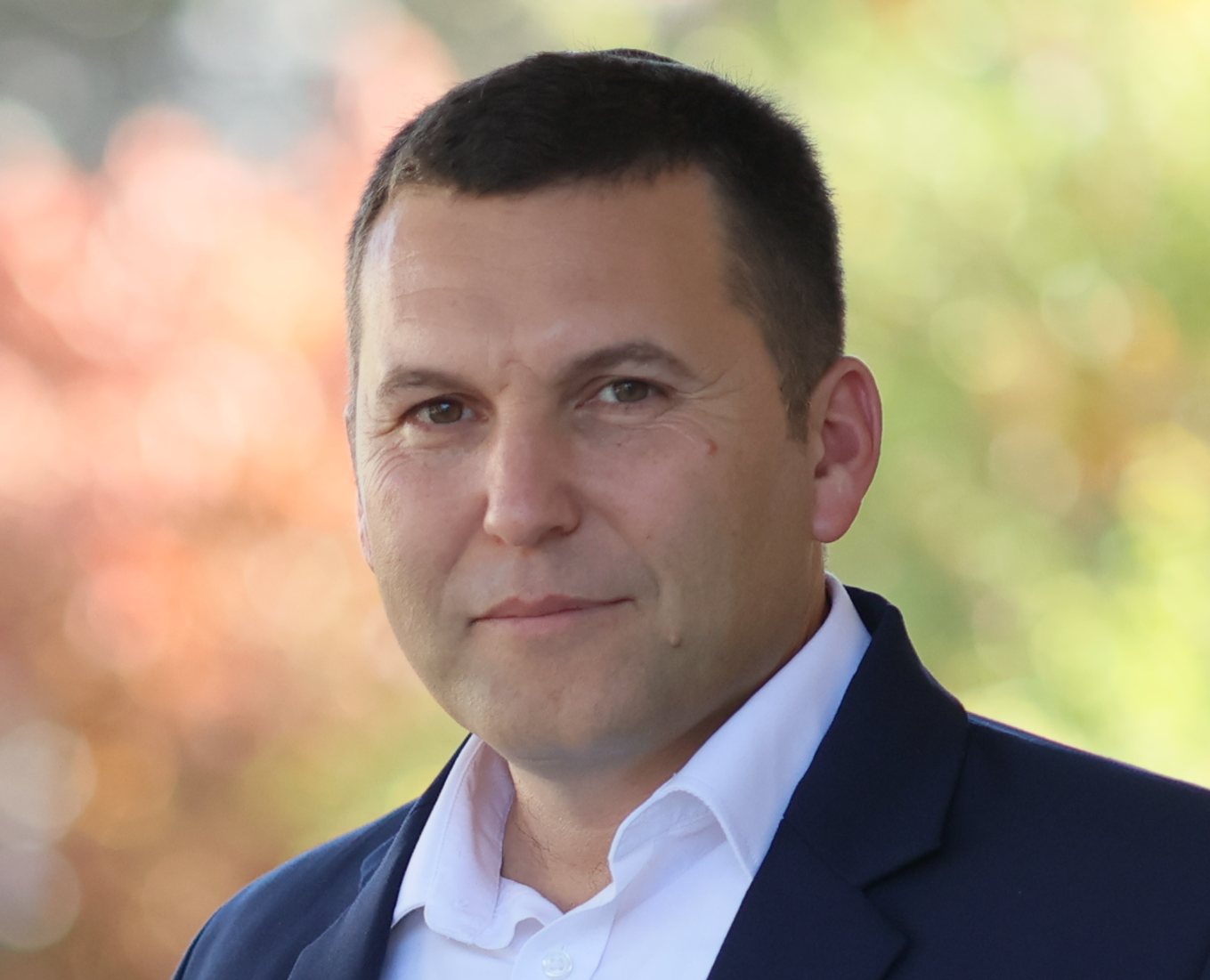
 Mr. Dubi Lever has been working at Gilat for over 27 years. Out of the 27 years, he was an R&D team member for 24 years. He has served in senior positions spanning different fields of expertise – Hardware design, FPGA, communications algorithms, RF design and system architecture, as an engineer and as a manager. Over the years, Dubi has been leading innovation within the company, initiating the development of new products, promoted over the years up to the role of the CTO of the R&D division. Dui is responsible for developing concepts of solutions for new technologies such as LEO constellations, 5G NTN, virtualized systems, innovate antenna and more. He is the co-author of five patents. For the last three years Dubi has been fulfilling the role of CTO of Gilat.

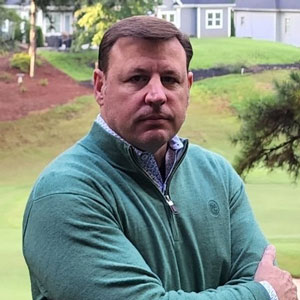
 Michael Geist is the Vice President of Product Management at SES Space & Defense. Michael has more than 25 years of experience in the satellite communications industry as an innovator, product developer, and business/market developer and uses that experience to enhance SES’s position in the Defense and Government markets. Prior to SES Space & Defense, Michael was President of Apothym Technologies Group where he led the development of next generation antenna solutions and waveform virtualization capabilities necessary for multi-network resilience. He also applied these core technologies to next generation hypersonic solutions, and other advanced networking platforms.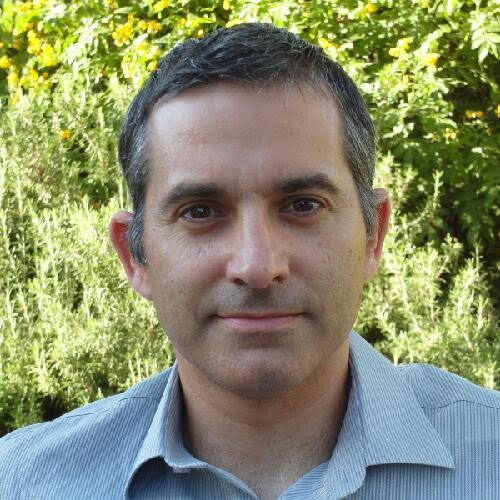
 Guy Levitas is a seasoned expert in satellite communications, with 18 years of experience at Gilat Satellite Networks. As the Head of Research & Algorithms, he manages the modem algorithm group, overseeing the physical layer of Gilat modems and driving research in R&D. Previously, Guy led the Modems Group, directing a team of communication algorithm, DSP engineers, and FPGA developers, responsible for the signal processing designs and implementations of all Gilat products, both commercial and military. His tenure at Gilat also includes a pivotal role as Modem Phy Team Leader, focusing on developing satellite modems for military on-the-move applications. Before joining Gilat, Guy was a DSP engineer at Intel Corporation. He holds a Bachelor of Science in Signal Processing & Communication from Ben-Gurion University of the Negev.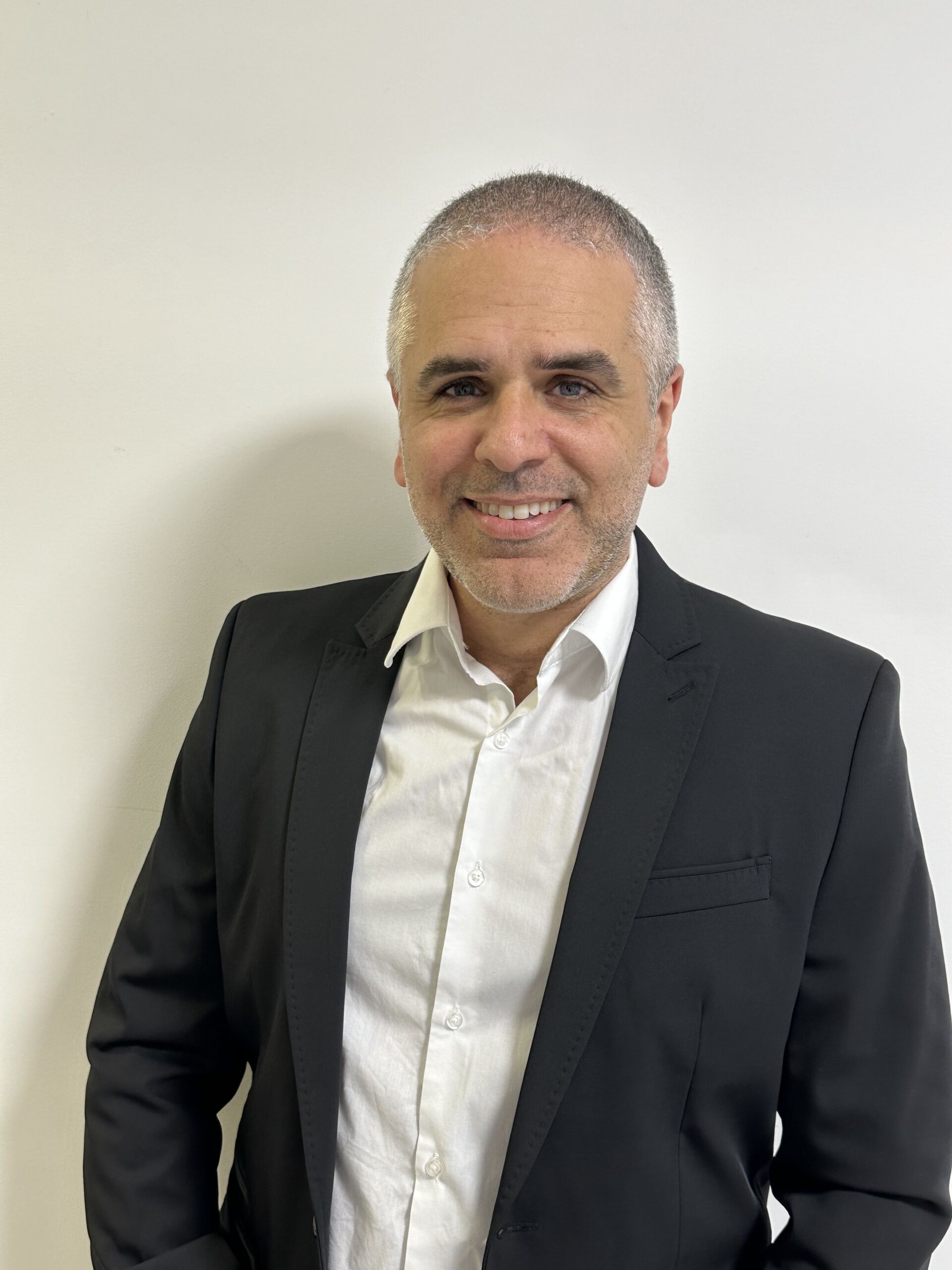
 Adi Adotler is the Chief Architecture Officer at the R&D, with 24 years of experience at Gilat Satellite Networks where he has held a variety of key positions. Since 2019, Adi led a group of System Architects responsible for the system specification and architecture definitions across all Gilat platforms and products. During this period, Adi’s primary focus has been on designing Gilat`s support for NGSO constellations, Aero & Maritime mobility and Cloud architecture for Gilat platform. Prior to leading the System Architecture group, Adi served as senior System Architect at Gilat, specializing in Management layers, Baseband, Advances Data layers, Mobility, and backhauling services. Before his tenure as a System Architect, Adi led the System Engineering group, the Integration group and the Validation & Verification group within the R&D. His career at Gilat began as a System Engineer in 2000. Adi holds a B.Sc. in Electronics and Communication from the Holon Institute of Technology (HIT).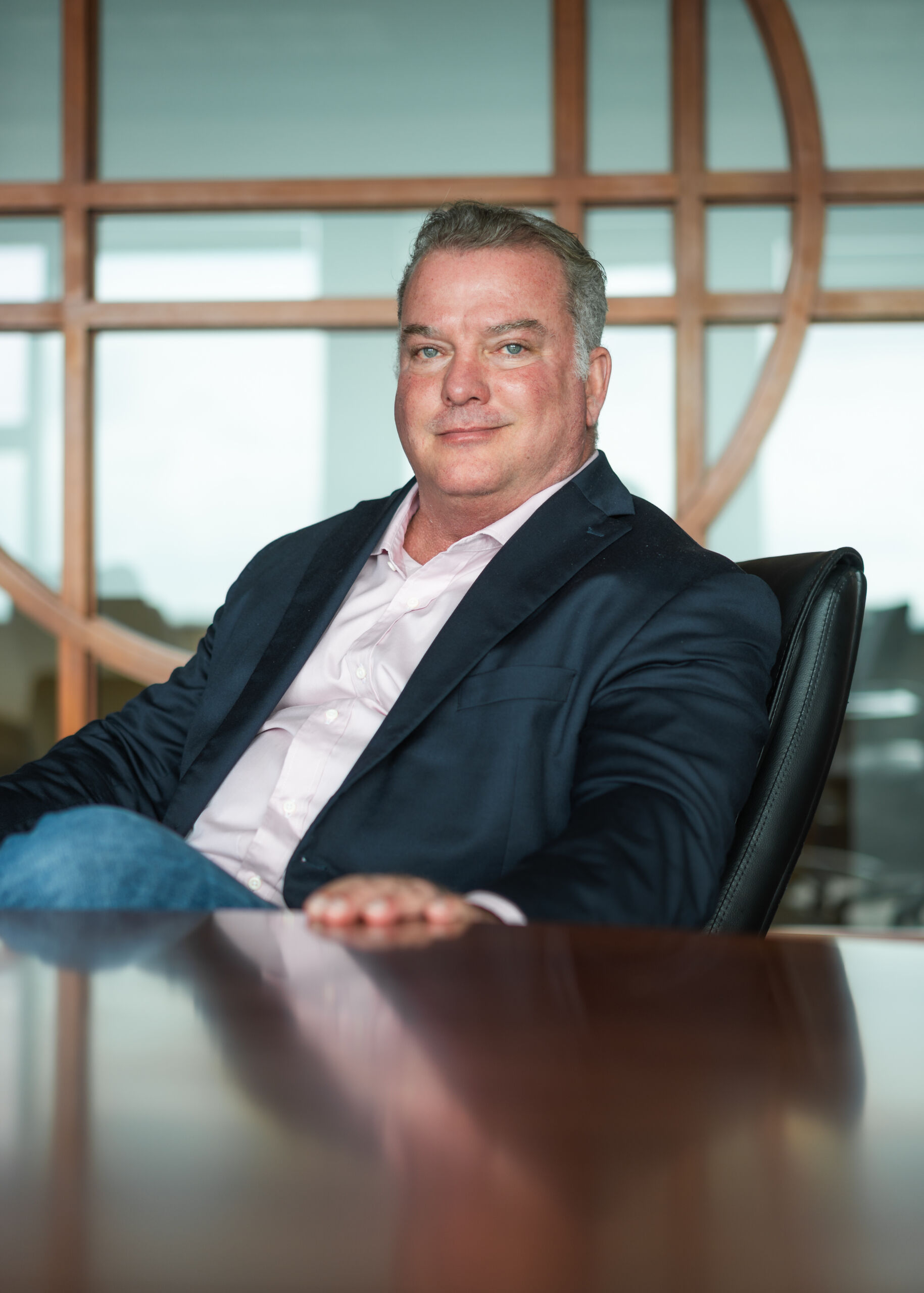

 Dr. Juan Deaton is currently the Chief Alignment Officer at Alignment Consulting and Engineering, focusing on advising SATCOM companies in digitally transforming their networks, business development, and performing R&D in digital signal processing. Previously, as a senior research scientist at Apothym Technologies Group (ATG), he worked to advance waveform virtualization. His 2022 report, Digital Transformation of Satellite Communication Networks, provided the vision for digitization and virtualization for the SATCOM industry. At ATG, he also served as a DIFI Board Member, a key contributor to the specification, and the Digital Transformation of SATCOM Workshop chair at MILCOM. Before that, Juan worked with Comtech EF Data on Forward Error Correction Technologies and other satellite communications modeling. His tenure at Comtech EF Data also involved research on anti-jam waveforms and LDPC codes. Before Comtech, he was at the Idaho National Lab, focusing on spectrum optimization and emergency communications. Juan holds a Ph.D. and M.S. from Virginia Tech and a BSEE from the University of Idaho. His patent work includes spectrum sharing, wireless emergency communications, and waveform virtualization.
Why WAVE?
In the rapidly evolving satellite communications (SATCOM) industry, the Waveform Architecture for Virtualized Ecosystems (WAVE), created under the auspices of IEEE-ISTO, represents a pioneering initiative designed to address the pressing challenge of proprietary hardware dependence. WAVE envisions a future where SATCOM networks are built on agile, scalable, and cost-effective commodity platforms, enabling a rapid acceleration of innovation in network services and operations. This transformative vision seeks to break the industry's current gridlock, characterized by network operators' rejection of vendor-locked systems and the struggle of vendors to migrate their waveform technologies into a virtualized environment.
In addition to a path forward, the WAVE consortium promotes an open, interoperable ecosystem using commercial-off-the-shelf servers, x86 architectures, and PCIe accelerators. WAVE liberates operators from vendor lock-in, enhancing competition and fostering a vibrant supplier ecosystem responsive to the market's dynamic needs. It offers a strategic framework for vendors, providing a clear migration path for revitalizing their product lines and achieving operational agility, improved spectral efficiency, and reduced total cost of ownership.
WAVE catalyzes the development of a modern, high-performance computing ecosystem that is inherently flexible and adaptable, promoting hardware-independent models to facilitate market entry and expand reach. By embracing WAVE, the SATCOM industry positions itself to overcome current challenges and usher in a new era of cost-effective and innovative SATCOM solutions. Thus, WAVE is not merely a solution to today's issues; it is a forward-looking strategy ensuring the future competitiveness and vibrancy of the SATCOM sector, poised to bring about a more competitive and vibrant supplier ecosystem.